%2Ffit-in%2F250x250%2Fguide_websites%2F1688%2Fimages%2F1774108062057img_5692.png&w=1920&q=100)
/users/9cc03732-20be-461b-9c45-3a6e6065874e/ratecard/unnamed1.jpg)
%2F300x300%2Fusers%2F9cc03732-20be-461b-9c45-3a6e6065874e%2Fratecard%2Funnamed1.jpg&w=256&q=75)
%2F300x300%2Fusers%2F9cc03732-20be-461b-9c45-3a6e6065874e%2Fimages%2Ffishing-cape-may-2569.jpg&w=256&q=75)
%2F300x300%2Fusers%2F9cc03732-20be-461b-9c45-3a6e6065874e%2Fimages%2Ffishing-adventure-cape-may-2538.jpg&w=256&q=75)
%2F300x300%2Fusers%2F9cc03732-20be-461b-9c45-3a6e6065874e%2Fimages%2Fblacktip-shark-fishing-nj-2536.jpg&w=256&q=75)
%2F300x300%2Fusers%2F9cc03732-20be-461b-9c45-3a6e6065874e%2Fimages%2Fangler-scenic-cape-may-fishing-2666.jpg&w=256&q=75)
%2F300x300%2Fusers%2F9cc03732-20be-461b-9c45-3a6e6065874e%2Fimages%2Ffishing-adventure-in-nj-2458.jpg&w=256&q=75)
%2F300x300%2Fusers%2F9cc03732-20be-461b-9c45-3a6e6065874e%2Fimages%2Fdusky-smooth-hound-caught-nj-2466.jpg&w=256&q=75)
%2F300x300%2Fusers%2F9cc03732-20be-461b-9c45-3a6e6065874e%2Fimages%2Ffishing-adventure-new-jersey-2625.jpg&w=256&q=75)
%2F300x300%2Fusers%2F9cc03732-20be-461b-9c45-3a6e6065874e%2Fimages%2Fbest-great-fishing-cape-may-2785.jpg&w=256&q=75)
%2F300x300%2Fusers%2F9cc03732-20be-461b-9c45-3a6e6065874e%2Fimages%2Fcoastal-adventure-cape-may-2508.jpg&w=256&q=75)
%2F300x300%2Fusers%2F9cc03732-20be-461b-9c45-3a6e6065874e%2Fimages%2Fblacktip-shark-cape-may-fishing-2288.jpg&w=256&q=75)
Premium Lewes Shark Fishing | Catterman Adventures
 Cape May, NJ
What you will be catching:
 Blacktip Shark
 Sand Tiger Shark
 Southern Stingray
 Spinner Shark
 Spiny Butterfly Ray
- Guide Kevin takes you out for prime-time shark and stingray fishing in Delaware Bay's calm waters. This 4-hour evening trip runs from 7 PM to 11:30 PM when these fish are most active. You'll fish from shore using different tackle setups while Kevin handles all the gear preparation and casting. Perfect for both beginners and experienced anglers
- Kevin provides guidance and quality equipment throughout the night. The bay's protected waters make for comfortable fishing conditions, and you'll try various spots to find where the sharks and rays are feeding. Great weekday adventure for up to 2 people looking to target some serious fish.
Trip Pricing and Availabilities:
Evening Shark Fishing Adventure in Lewes
Picture this: the sun's setting over Delaware Bay, the water's glassing off, and you're about to experience some of the best shark and stingray action the East Coast has to offer. Guide Kevin from Catterman Adventures knows exactly when and where these predators feed, and his 4-hour evening trips from 7:00 PM to 11:30 PM hit that perfect bite window when these fish come alive. This isn't your typical day trip – we're talking serious land-based fishing that puts you right in the middle of the action without ever leaving shore.
What to Expect on the Water
Kevin keeps things simple but effective. You show up at the designated spot, and his crew handles all the heavy lifting – literally. They'll have multiple setups rigged and ready, each one tailored for different species and conditions. We're talking heavy tackle designed to handle anything from a feisty stingray to a solid sand tiger shark. The beauty of fishing Delaware Bay is the variety of structure and depth changes that attract different species throughout the evening. Kevin rotates between several proven spots depending on tide, wind, and recent fish activity. You'll learn quickly that evening fishing here is all about patience and positioning – once the sun drops and the bait fish start moving, things can get wild fast. The bay's calm waters make this perfect for anglers who want big fish action without dealing with rough ocean swells.
Tackle and Techniques
This is serious shark fishing, so we're using serious gear. Kevin brings heavy spinning and conventional setups spooled with braided line – you'll need every bit of that stopping power when a blacktip takes off on its first run. The rigs are simple but deadly effective: circle hooks with wire leaders and enough weight to hold bottom in the current. Fresh cut bait is king here – think bunker, mackerel, and whatever's been producing lately. Kevin deploys multiple lines at different distances and depths, creating a spread that covers water and gives you the best shot at connecting. The technique is all about reading the water and understanding how these predators hunt. Sharks and rays follow scent trails, so proper bait presentation and patience are everything. You'll learn to feel the difference between a crab picking at your bait and the solid thump of a ray inhaling your offering.
Species You'll Want to Hook
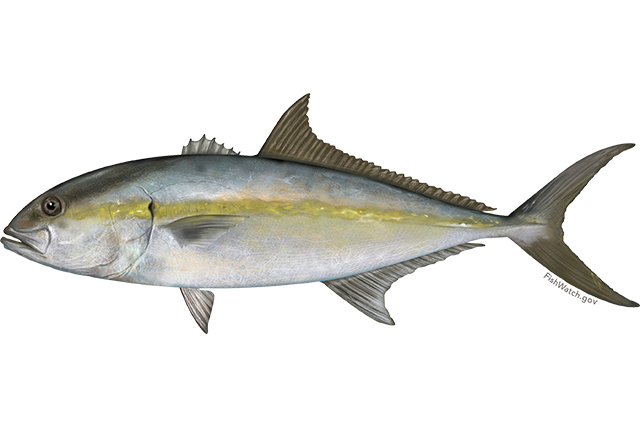
Sand tiger sharks are the crown jewel of Delaware Bay fishing. These prehistoric-looking predators can stretch over six feet and pack serious muscle. They're most active during the evening hours when the water cools and bait fish become more active. Sand tigers are known for their distinctive jagged teeth and aggressive strikes – when one picks up your bait, you'll know it instantly. The fight is pure power, with long runs and stubborn head shakes that'll test your tackle and your arms.
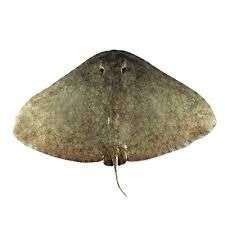
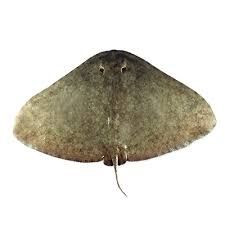
Spiny butterfly rays are the gentle giants you'll encounter here. These massive rays can span four feet across and weigh upwards of 40 pounds. They're bottom feeders that cruise the bay's sandy flats looking for crabs and shellfish. When a butterfly ray finds your bait, the initial hit feels like you've hooked the bottom – until it starts swimming away. Their fight is all about steady pressure and endurance. The thrill comes from the sheer size and the fact that these rays are relatively uncommon catches that'll make for great photos.
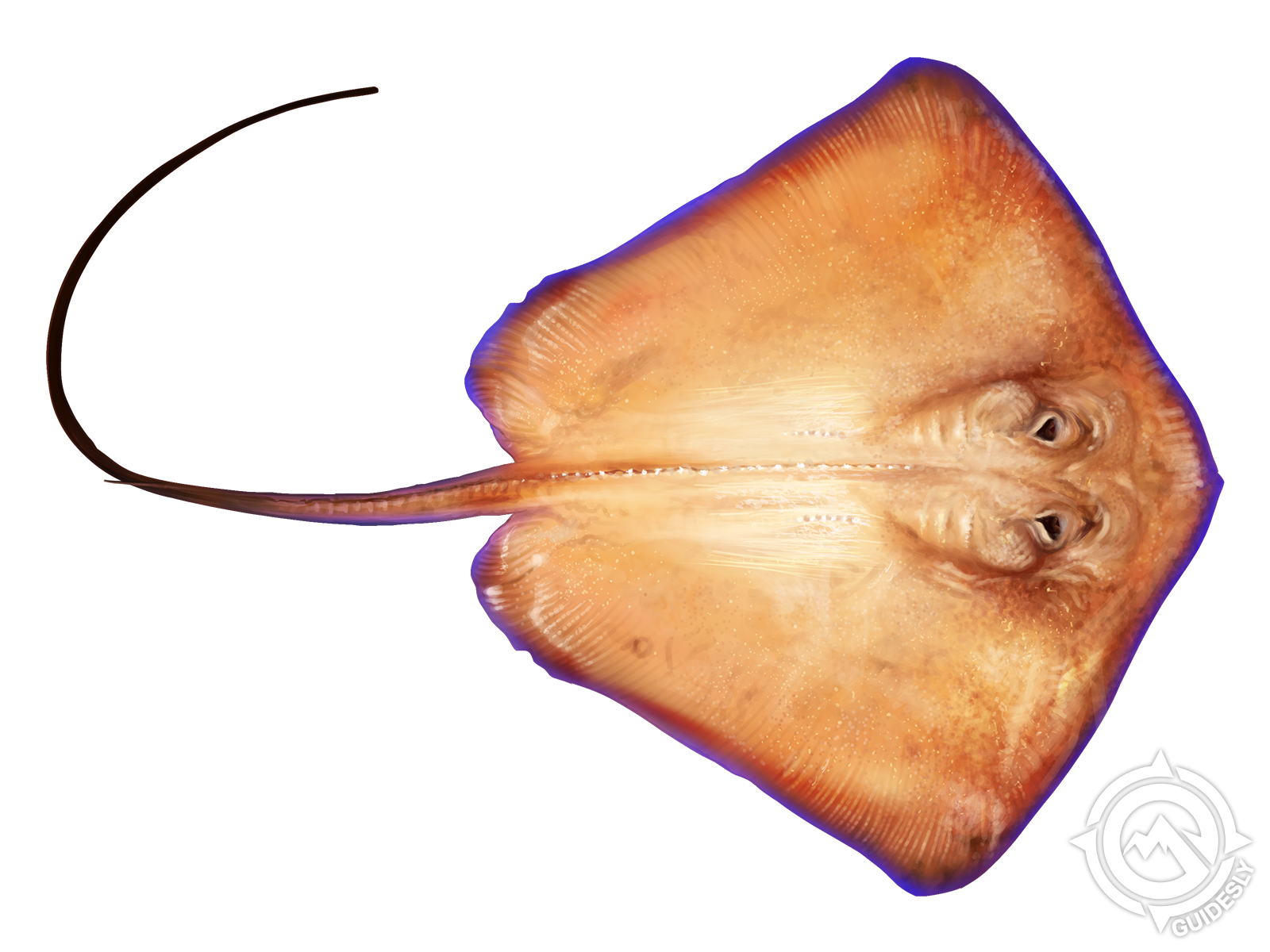
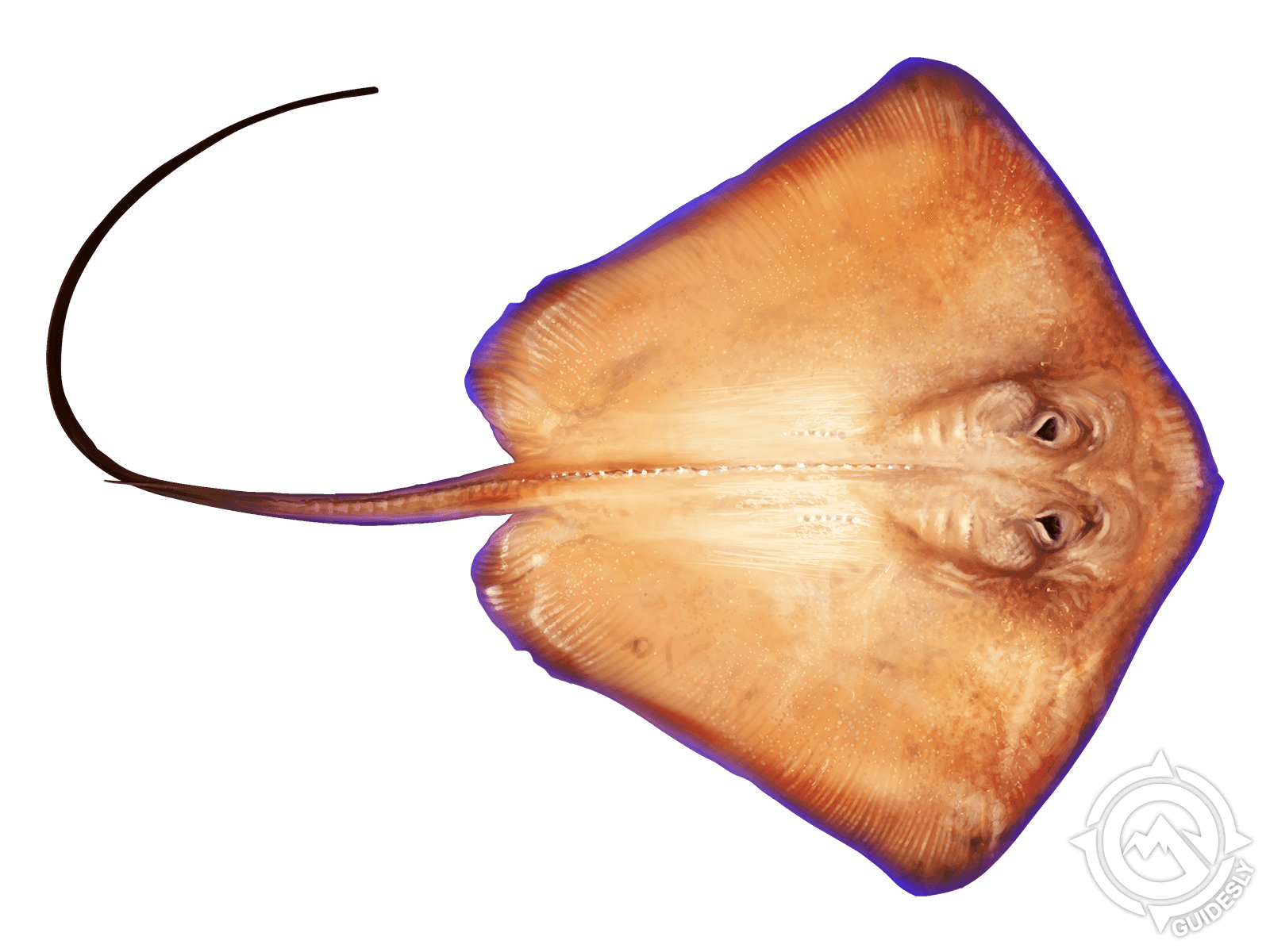
Southern stingrays are the most common catch but don't let that fool you into thinking they're easy. These disk-shaped fighters use their flat bodies like wings, creating incredible drag in the water. They're found year-round in the bay but are most active during warmer months. A good southern stingray will peel drag and make multiple runs before you can work it to shore. They're perfect for beginning anglers because they fight hard but aren't overly aggressive.
Spinner sharks earn their name from the aerial acrobatics they perform when hooked. These sleek predators are built for speed and aren't afraid to show it. They typically range from three to five feet in Delaware Bay and are most active during summer evenings. When a spinner grabs your bait, get ready for a show – they'll jump, spin, and run like few other sharks can. The fight is fast and furious, making them a favorite among experienced anglers.
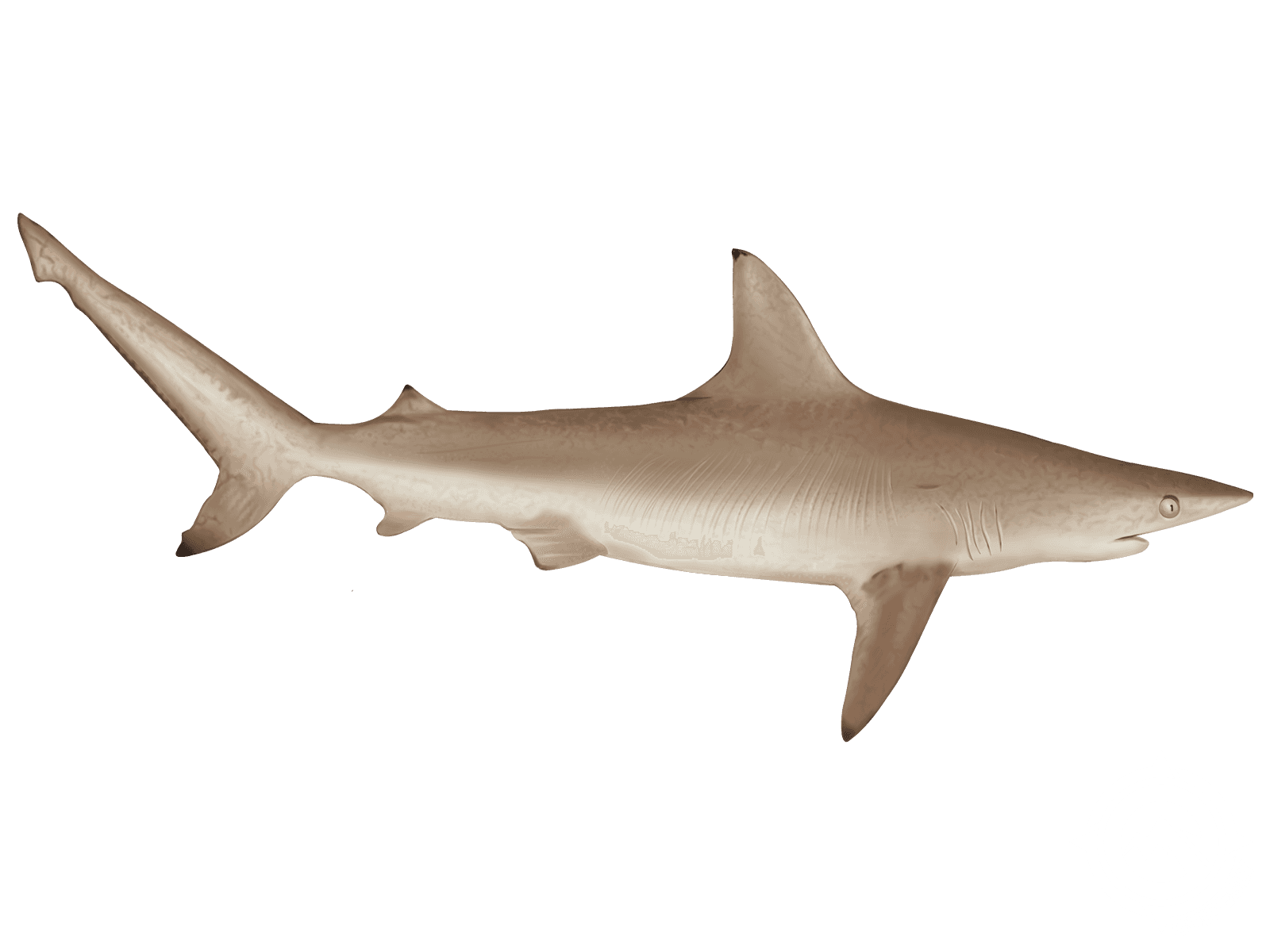
Blacktip sharks are the workhorses of Delaware Bay shark fishing. They're aggressive feeders that respond well to fresh cut bait and put up scrappy fights. Most blacktips here run between three and four feet, making them perfect for the tackle we're using. They're known for quick, powerful runs and their tendency to jump when first hooked. Blacktips are active throughout the warmer months and often feed in schools, so catching one usually means there are more around.
Time to Book Your Spot
Kevin's evening shark trips offer something special – the chance to target serious predators from shore during their most active feeding period. With a maximum of two guests per trip, you're getting personalized attention and plenty of rod time. The 7:00 PM start puts you right in that magic hour when the bay comes alive with feeding activity. This is top-rated shark fishing that doesn't require a boat ride or big budget. Whether you're looking to cross sand tigers off your bucket list or just want to experience the rush of fighting rays in the surf, this trip delivers. Delaware Bay's protected waters and diverse species make it a customer favorite for evening fishing adventures. Don't sleep on this – prime evening slots fill up fast, especially during peak season.
Learn more about the animals
Blacktip Shark
Blacktips are some of the most exciting sharks we target on these evening trips - they're known for their acrobatic jumps and that distinctive black edging on their fins. These sharks typically run 4-5 feet long, though we occasionally see bigger ones pushing 6-7 feet. They're built for speed with streamlined bodies and love cruising our shallow waters around 30-100 feet deep, especially near structure where baitfish congregate. Summer months are prime time when they follow schools of herring, mackerel, and sardines into Delaware Bay. What guests really enjoy is their feisty nature - blacktips are known to jump clean out of the water and even onto boats when they get worked up! They're social hunters that can get into feeding frenzies when the chum line gets going. Despite being excitable, they can also be surprisingly timid, so don't make too much noise when they're around. Here's my tip: use heavy braid with circle hooks and keep that chum flowing - oily fish like mackerel or sardines work best. Once you hook up, hang on tight because they'll put on an aerial show.
Sand Tiger Shark
Sand tigers are some of the most recognizable sharks you'll encounter here in Delaware Bay, with their menacing needle-like teeth and brownish-gray bodies covered in rust-colored spots. Despite looking fierce, they're actually pretty docile - more bark than bite. These sharks typically run 6-8 feet long and can weigh up to 200 pounds, making them a solid catch on medium-heavy tackle. They prefer sandy bottoms in 6-200 feet of water, which is perfect for our evening trips when they move into shallower areas to hunt. Summer months from May through October are prime time when they migrate north. What guests love most is their unique ability to gulp air and hover motionless near the bottom - makes for some amazing photos. Here's a local tip: use fresh, oily baits like bluefish or ray chunks on a fish-finder rig weighted to the bottom, since these guys are natural bottom-dwellers looking for an easy meal.
Southern Stingray
Southern stingrays are classic bottom-dwellers that guests always get excited about hooking into. Females can reach nearly 5 feet across and weigh 50 pounds, while males stay smaller around 2 feet. They're shaped like flying kites with whip-like tails carrying that famous venomous barb - purely for defense, mind you. These rays love our sandy and muddy flats, especially around seagrass beds where they hunt for crabs, worms, and small fish by flapping their wings to uncover prey. They're most active during our evening trips when they venture into shallow water to feed. What makes them fun to target is their surprising power once hooked - they'll use those broad wings to create serious resistance. The key to landing one is patience; don't horse them in or you'll throw out your back. I always tell guests to use live pinfish or cut bait on the bottom, and when you feel that distinctive ray bite, give steady pressure but let them tire themselves out before bringing them to shore.
Spinner Shark
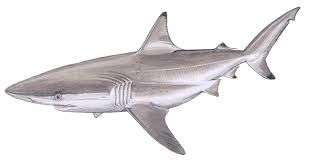
Spinner sharks are absolute crowd-pleasers - named for their spectacular feeding displays where they rocket through baitfish schools and leap clear out of the water spinning up to three times. These sleek sharks average around 6 feet and 120 pounds, with gray-bronze backs and distinctive black-tipped fins that often get them confused with blacktips. They prefer warm, shallow waters under 100 feet deep, making Delaware Bay perfect during their spring and summer visits when they follow migrating baitfish north. What really sets them apart is their feeding behavior - they hunt in groups, charging through schools of sardines, anchovies, and herring at incredible speeds. Guests love the acrobatic fight these sharks put up, often jumping multiple times when hooked. Their poor eyesight but strong sense of smell makes them perfect candidates for our evening chum lines. My go-to setup is fresh bonito or bluefish chunks on a fish-finder rig - the oilier and bloodier, the better. Once you get them fired up on chum, they'll hit baits aggressively and give you a show you won't forget.
Spiny Butterfly Ray
These broad, diamond-shaped rays are real showstoppers - they can span over 6 feet across and weigh up to 130 pounds. What makes them special is how they hunt: they glide slowly toward prey, then suddenly spin around and slam their muscular pectoral fins down to stun fish before gobbling them up. You'll find them cruising sandy and muddy bottoms in 15-300 feet of water, though females tend to stay deeper until breeding season brings them shallow. Unlike their smooth butterfly ray cousins, spiny butterfly rays have a distinctive serrated spine at the base of their tail and small tentacles near their spiracles. Summer evenings are perfect for targeting them when they move into the shallows to feed on small fish and crustaceans. Guests enjoy the unique fight - they don't run like sharks but instead use that massive wingspan to create serious drag. Pro tip: use whole or cut fish baits fished right on bottom with a circle hook, and be patient - they approach bait cautiously before committing.