%2Ffit-in%2F250x250%2Fguide_websites%2F1688%2Fimages%2F1774108062057img_5692.png&w=1920&q=100)
Sandbar Shark Caught Night Fishing Cape May
Night Shark Fishing in Cape May - What to Expect
5.0

1 Review
- 5
 100%
100% - 4
 0%
0% - 30%
- 20%
- 10%
%2F%2Fusers%2F9cc03732-20be-461b-9c45-3a6e6065874e%2Fimages%2Fsandbar-shark-cape-may-night-5923.png&w=1920&q=75)
Fishing Charter by Guide Kevin 'Catterman' in June
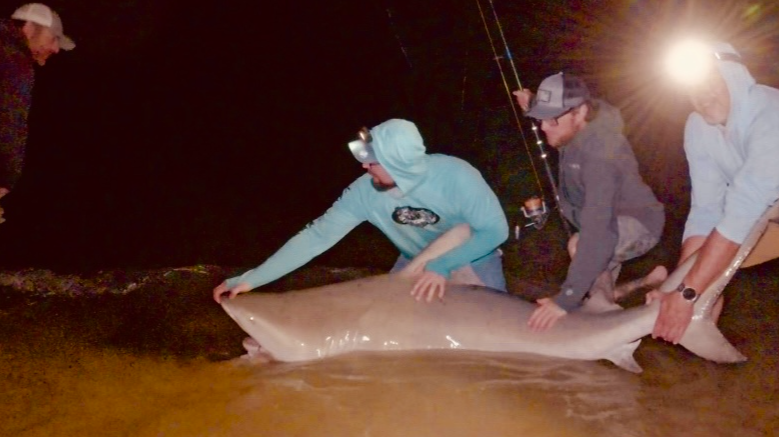
Meet your Guide Kevin 'Catterman'
- Extreme Shark Fishing with Guide Kevin in NJ!


Summary
Experience an unforgettable 8-hour fishing charter on the shores of Cape May, NJ with Guide Kevin 'Catterman.' This evening adventure targets sandbar sharks and stingrays with multiple rods deployed while you relax in comfort. All gear included - just bring your excitement and get ready for some serious night fishing action.
Shark and Stingray Fishing with Guide Kevin - Rates & Booking
Guide Kevin 'Catterman' of Catterman Adventures, LLC offers an 8-hour evening fishing charter on Sunday, June 28th that targets some of Cape May's most thrilling species. This fishing charter accommodates 2 guests and includes all necessary gear and equipment, plus dinner meals to keep you fueled throughout the evening. You'll fish comfortably from shore in a mosquito-proof enclosure with beach chairs, avoiding the hassle of boats while staying protected from the elements.
The setup is straightforward - Kevin deploys multiple rods with various baits into the open sea while you relax and wait for that rod to bend. When a sandbar shark or stingray takes the bait, you're ready for some serious action. This is a perfect way to experience productive night fishing without dealing with seasickness or crowded charter boats. Dinner is included to make it a full evening experience. Book your spot online to secure your date with Guide Kevin and prepare for a night you won't forget.
Highlights of 8-Hour Guided Shark And Stingray Fishing Trip In Cape May
What makes this trip special is the combination of comfort and genuine fishing opportunity. You're not stuck on a cramped boat or exposed to the elements - instead, you're in a mosquito-proof setup with cozy beach chairs, watching the action unfold from a comfortable vantage point. Cape May's waters are loaded with sandbar sharks and rays, and Kevin knows exactly where and when to find them. The multiple rod setup means more chances for hookups throughout the evening.
Night fishing adds a whole different dimension to the experience. The water comes alive after dark, and predators like sandbar sharks become more active. You get to witness this shift firsthand, waiting for that telltale tug on the line. Whether you're an experienced angler or just looking for an exciting evening activity, this trip delivers genuine thrills with the local expertise and preparation that makes the difference between a good night and a great one.
Local Species Insights: Sandbar Sharks
Sandbar sharks are one of Cape May's most iconic species, and they're exactly what you might hook into on this trip. These sharks are built for hunting - they're aggressive feeders with a keen sense for bait in the water. They typically cruise in shallow to moderate depths, especially during night hours when they're most active. The sandbar shark's streamlined body and sharp teeth make them formidable fighters on the line, and landing one is a genuine accomplishment that anglers talk about for years.
What makes sandbar sharks interesting is their behavior. They're solitary hunters that rely on their sensory system to locate prey, which is why multiple baits deployed at different distances work so well. When a sandbar shark commits to eating, it commits fully - you'll feel the impact immediately. They're also surprisingly intelligent, with complex behaviors and social hierarchies. Fishing for them teaches you patience and respect for these remarkable predators. They're not aggressive toward humans in normal circumstances, but in the feeding context of night fishing, they're all business.
Stingrays, the other primary target, offer a different experience. These bottom-dwellers have a flatter profile and move differently than sharks. They're less dramatic strikers but equally rewarding when hooked. Stingrays have barbed tails that give them their name, but they're generally docile unless provoked. Catching both species in one night gives you a well-rounded view of Cape May's coastal predator population and the different techniques that work for each.
Plan Your Evening Fishing Day
Your 8-hour adventure starts in the evening and runs through the night, which is when Cape May's predators are most active. Arrive ready to settle in - you'll have a mosquito-proof enclosure with beach chairs keeping you comfortable while Kevin manages the rods. With 2 anglers per trip, there's plenty of personal attention and room to move around without crowding. Dinner meals are included, so you can eat while waiting for action or after landing your first fish.
All fishing gear and equipment is provided, so you don't need to bring your own rods, reels, or tackle. Just bring yourself, wear layers since evenings cool down, and wear closed-toe shoes for the beach. Bring any personal medications or items you need, and let Kevin know if you have any preferences for bait or fishing style. The multiple rod setup means there's often action happening, so stay alert and ready. This is genuine fishing, not a guaranteed catch, but Kevin's local knowledge and the setup give you excellent odds of connecting with sandbar sharks or stingrays during your evening session.
Fishing in Cape May, NJ: Sandbar Shark
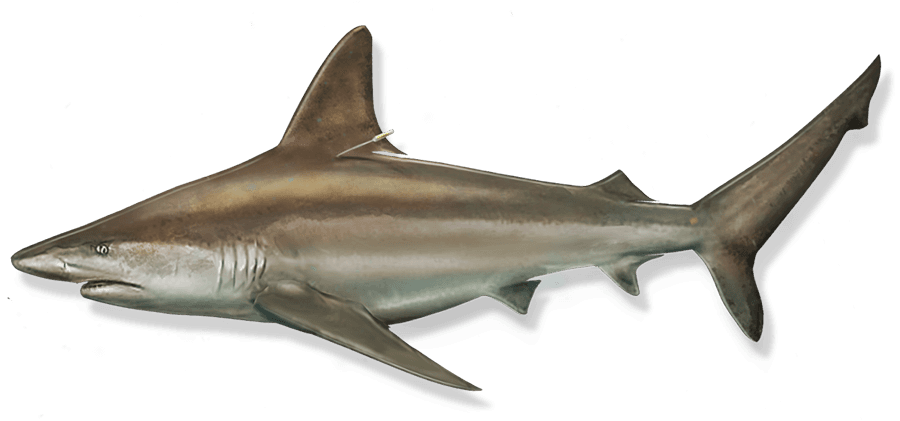
Sandbar Shark Overview
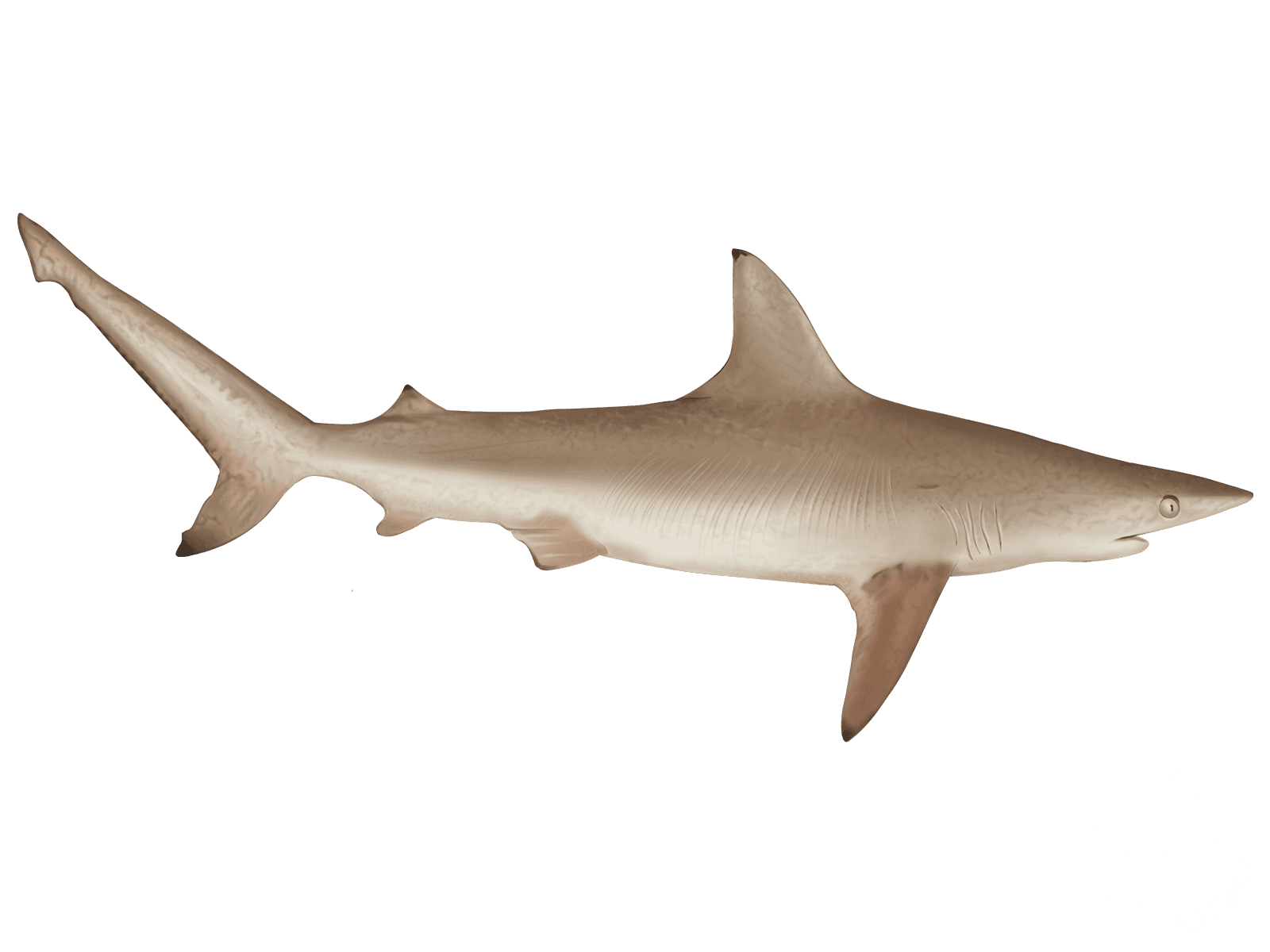
The Sandbar Shark (Carcharhinus plumbeus) is one of the most impressive coastal sharks you'll encounter, belonging to the family Carcharhinidae and order Carcharhiniformes. What makes these sharks stand out is their unmistakable tall dorsal fin and unique interdorsal ridge—a feature most other sharks don't possess. These heavy-bodied predators are known for their striking brown or gray coloration contrasted by a white underbelly, and they're close cousins to Bull Sharks, Bignose Sharks, and Dusky Sharks. If you're exploring coastal waters from Florida to Hawaii or anywhere along the Atlantic, you might just cross paths with one of these remarkable creatures, which can live 35 to 41 years in the wild.
Sandbar Shark Habitat and Distribution
Sandbar Sharks earned their name honestly—they absolutely love sandy flats, bays, and estuaries where they can hunt and rest. These sharks are primarily found throughout the Western Atlantic, thriving in temperate waters, though they occasionally migrate to the Eastern Atlantic. You'll find populations ranging from the Persian Gulf and Red Sea to East and South Africa, and they even venture to the Hawaiian Islands and Galapagos. Rather than patrolling shallow surface waters, Sandbars prefer staying near continental shelves and oceanic banks at depths between 60 and 200 feet, where they can hunt efficiently while remaining relatively hidden from larger predators.
Sandbar Shark Size and Weight
Size varies between males and females in this species—a trait called sexual dimorphism. Males typically max out around 5.9 feet, while females grow considerably larger, reaching 6.6 to 8.2 feet in length. In terms of weight, you can expect these muscular sharks to range from approximately 143 to 260 pounds, with larger females pushing toward the upper end of that spectrum. Some exceptional individuals may exceed these averages, but these measurements represent what most anglers and researchers encounter when studying or fishing for Sandbar Sharks in their native habitats.
Sandbar Shark Diet and Behavior
These apex hunters are opportunistic feeders with diverse tastes, consuming bony fishes, eels, skates, and dogfish alongside crabs, octopuses, squids, and shrimps. They rely heavily on their acute sense of smell to locate prey, a hunting strategy that makes them predictable and catchable for anglers. Behaviorally, Sandbar Sharks are known for their powerful, determined runs when hooked—they'll grab bait and immediately attempt to drag it downward, testing your equipment and resolve. Unlike their more aggressive cousins, these sharks are not dangerous to humans and typically avoid confrontation. However, they do face predation from larger sharks like Tigers and occasionally Great Whites, which keeps them vigilant despite their impressive size.
Sandbar Shark Spawning and Seasonal Activity
Reproduction in these sharks occurs on a slow cycle—females reproduce only every 2 to 3 years, which contributes to their vulnerability in heavily fished areas. This extended reproductive interval means populations take longer to recover from overfishing pressure, making sustainable practices essential. Seasonal activity patterns vary by region; in temperate Atlantic waters, Sandbar Sharks tend to migrate toward deeper waters during winter months and return to shallower coastal zones as water temperatures warm in spring and summer. Understanding these migration patterns is key to planning successful fishing trips or observation expeditions.
Sandbar Shark Techniques for Observation or Capture
Method 1: Heavy Tackle Shark Rigging — For serious anglers targeting Sandbar Sharks, heavy equipment is non-negotiable. Use at least 65-pound test line paired with a properly constructed Shark Rig featuring crimps, a large 9/0 or 12/0 hook, and a 200-pound minimum swivel. Fresh, live bait is essential; the best options include Bluegill (easy to find and oily), skates, eels, sea bass, squid, and crustaceans. Cast near continental shelves and oceanic banks where these sharks hunt, and be prepared for an intense fight—once hooked, they'll test your equipment severely.
Method 2: Scent-Based Attraction — Since Sandbar Sharks hunt primarily by smell, position yourself downcurrent from your target location and use highly aromatic baits. Bluegill and fresh mullet create excellent scent trails that draw sharks from considerable distances. Fish during slack or incoming tides when scent dispersal is most effective, and avoid overly windy conditions that disperse your bait's attractiveness.
Method 3: Coastal Sandy Bottom Fishing — Target shallow sandy areas near river mouths and estuaries where Sandbars naturally congregate. Once hooked, gently lead them toward sandy coastlines where you can safely beach them for tagging or observation. Around coastal Florida and the Carolinas, this technique proves especially effective during summer months when water temperatures peak and sharks move into shallower hunting grounds. Handle all captured sharks gently to avoid their powerful tail strikes, which can cause serious injury.
Sandbar Shark Culinary and Utilization Notes
Sandbar Sharks possess firm, white meat that some regions utilize commercially, though landings have declined due to conservation efforts and declining populations. The meat quality is considered good for consumption, offering reasonable flavor and texture when properly prepared. However, given their slow reproductive rates and vulnerability to overfishing, catch-and-release practices are increasingly recommended. Many modern anglers and conservation organizations advocate tagging and releasing Sandbar Sharks to support population research and recovery initiatives rather than keeping them for consumption. If harvest is legal in your area, verify local regulations and sustainability guidelines before keeping any specimens.
Sandbar Shark Frequently Asked Questions
Q: What is the best bait for catching a Sandbar Shark?
A: Fresh, oily, and aromatic baits work best due to the shark's reliance on smell. Bluegill is highly recommended by experienced anglers because it's easy to source, naturally oily, and produces excellent scent dispersal in water. Skates, eels, sea bass, and fresh squid are excellent alternatives that consistently produce results.
Q: Where can I find Sandbar Sharks near popular fishing destinations?
A: These sharks inhabit continental shelves and oceanic banks throughout the Western Atlantic, with strong populations off Florida, the Carolinas, and the Mid-Atlantic coast. Around Florida's Gulf Coast and along the barrier islands, sandy bays and estuaries host excellent populations during warmer months. They're also found in Hawaii, the Galapagos, and African coastal waters depending on your travel location.
Q: Are Sandbar Sharks dangerous to humans?
A: No, Sandbar Sharks are not dangerous to humans and typically avoid confrontation. They're far less aggressive than Bull Sharks or Tigers. However, when hooked, they can thrash powerfully and accidentally injure anglers with their tails, so careful handling and respect for the animal is essential.
Q: When is the best time to catch a Sandbar Shark?
A: Spring through early fall offers peak opportunities, particularly during summer months when water temperatures are warmest and sharks move into shallower coastal zones. Fish during slack or incoming tides for optimal scent dispersal. Dawn and dusk often produce excellent results as these sharks become more active hunters during low-light periods.
Q: What fishing equipment do I absolutely need?
A: Invest in quality heavy tackle with at least 65-pound test line—don't compromise on gear quality. Pair this with a professionally constructed Shark Rig featuring 9/0 to 12/0 hooks and 200-pound minimum swivels. Cheap equipment will fail under the intense pressure these powerful sharks create during their runs.
Q: How long can Sandbar Sharks live?
A: These remarkable sharks can survive 35 to 41 years in the wild, making them long-lived predators that develop complex behaviors and hunting patterns over their lifetime. This longevity also makes them vulnerable to overfishing since populations cannot quickly replace harvested individuals.