%2Ffit-in%2F250x250%2Fguide_websites%2F1688%2Fimages%2F1774108062057img_5692.png&w=1920&q=100)
/users/9cc03732-20be-461b-9c45-3a6e6065874e/ratecard/ca123abb-87c4-4cb6-9eab-fb7462419103.jpg)
%2F300x300%2Fusers%2F9cc03732-20be-461b-9c45-3a6e6065874e%2Fratecard%2Fca123abb-87c4-4cb6-9eab-fb7462419103.jpg&w=256&q=75)
%2F300x300%2Fusers%2F9cc03732-20be-461b-9c45-3a6e6065874e%2Fimages%2Ffishing-cape-may-2569.jpg&w=256&q=75)
%2F300x300%2Fusers%2F9cc03732-20be-461b-9c45-3a6e6065874e%2Fimages%2Ffishing-adventure-cape-may-2538.jpg&w=256&q=75)
%2F300x300%2Fusers%2F9cc03732-20be-461b-9c45-3a6e6065874e%2Fimages%2Fblacktip-shark-fishing-nj-2536.jpg&w=256&q=75)
%2F300x300%2Fusers%2F9cc03732-20be-461b-9c45-3a6e6065874e%2Fimages%2Fangler-scenic-cape-may-fishing-2666.jpg&w=256&q=75)
%2F300x300%2Fusers%2F9cc03732-20be-461b-9c45-3a6e6065874e%2Fimages%2Ffishing-adventure-in-nj-2458.jpg&w=256&q=75)
%2F300x300%2Fusers%2F9cc03732-20be-461b-9c45-3a6e6065874e%2Fimages%2Fdusky-smooth-hound-caught-nj-2466.jpg&w=256&q=75)
%2F300x300%2Fusers%2F9cc03732-20be-461b-9c45-3a6e6065874e%2Fimages%2Ffishing-adventure-new-jersey-2625.jpg&w=256&q=75)
%2F300x300%2Fusers%2F9cc03732-20be-461b-9c45-3a6e6065874e%2Fimages%2Fbest-great-fishing-cape-may-2785.jpg&w=256&q=75)
%2F300x300%2Fusers%2F9cc03732-20be-461b-9c45-3a6e6065874e%2Fimages%2Fcoastal-adventure-cape-may-2508.jpg&w=256&q=75)
%2F300x300%2Fusers%2F9cc03732-20be-461b-9c45-3a6e6065874e%2Fimages%2Fblacktip-shark-cape-may-fishing-2288.jpg&w=256&q=75)
Weekend Shore Shark Fishing Lewes Catterman
 Cape May, NJ
What you will be catching:
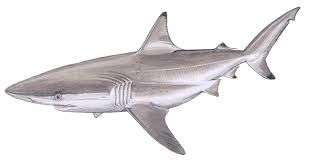
 Blacktip Shark
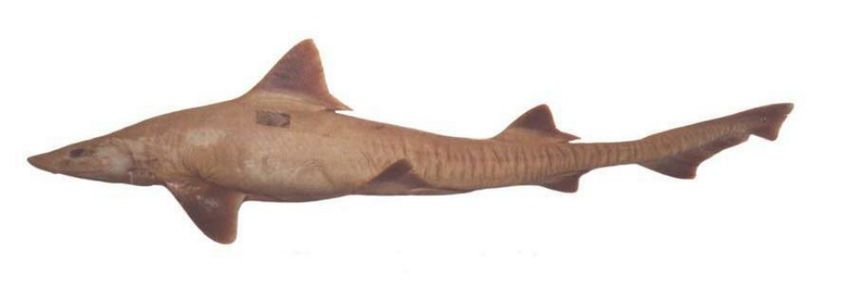 Dusky Smooth-Hound
 Sandbar Shark
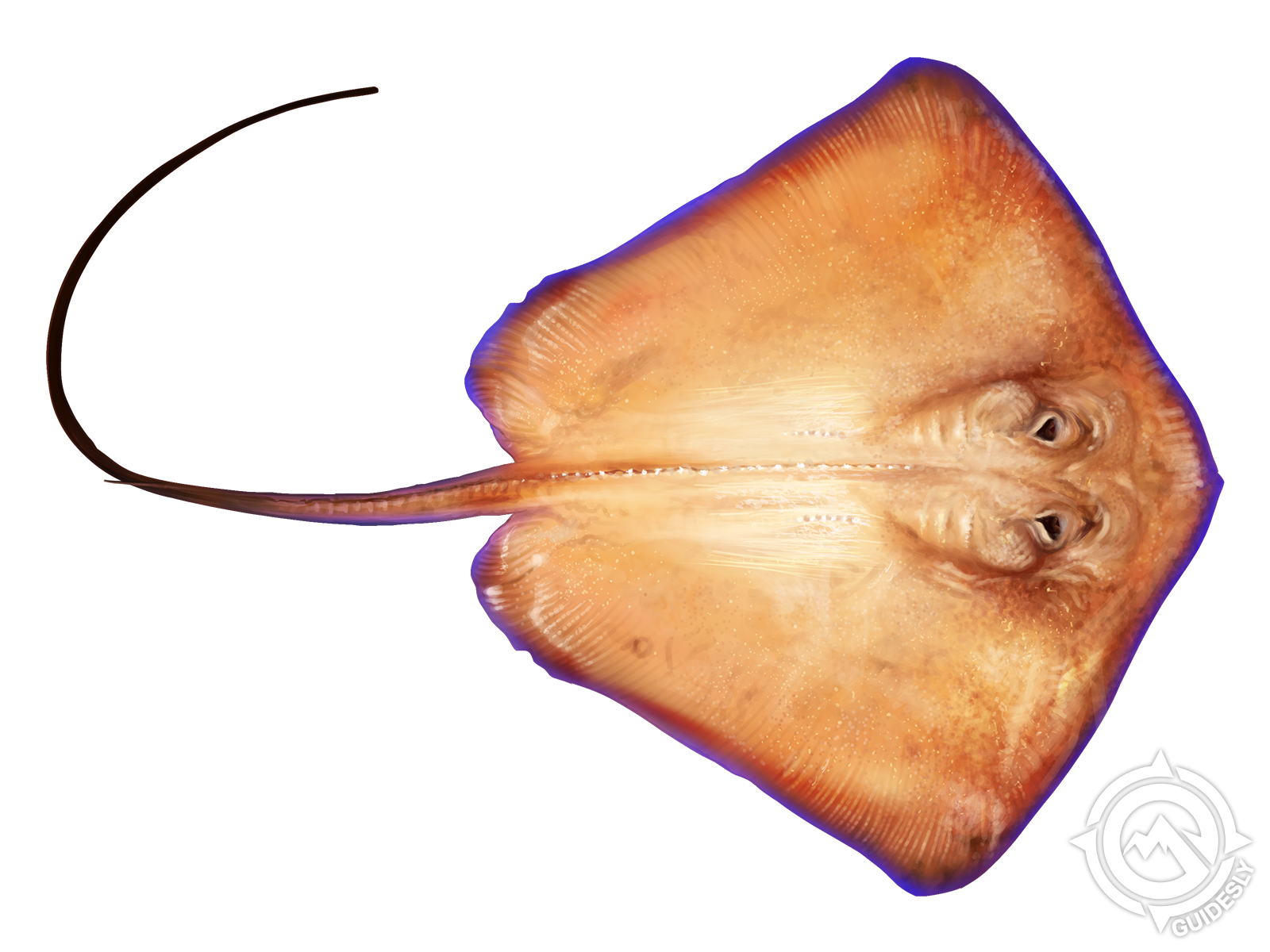 Southern Stingray
 Spinner Shark
- Join Guide Kevin for a 6-hour nighttime fishing adventure targeting sharks and stingrays from shore in Delaware Bay. This evening trip runs from 6 PM to midnight, taking advantage of the prime feeding hours when these species are most active in the calm bay waters. Kevin provides all the heavy tackle and gear needed, plus he'll teach you the specific techniques for landing these powerful fish from land. Whether you're new to shark fishing or looking to improve your skills, you'll learn how to read the water, set your lines properly, and fight these amazing fish safely. Small group size keeps it personal and gives everyone plenty of hands-on time.
Trip Pricing and Availabilities:
Weekend Shark & Stingray Fishing in Lewes
Looking for something different this weekend? Guide Kevin's got you covered with a prime-time fishing adventure that'll have you targeting Delaware Bay's top predators when they're most active. This isn't your typical daytime trip – we're talking 6 hours of land-based shark and stingray fishing from 6 PM to midnight, right when these creatures come alive in the shallows. With just 2 spots available, you'll get personalized attention and hands-on coaching whether you're a seasoned angler or picking up a rod for the first time. Kevin brings all the heavy-duty gear you need, plus the local knowledge that makes the difference between stories and empty hooks.
What to Expect on the Water
This weekend adventure takes full advantage of Delaware Bay's calm, protected waters where sharks and rays feel comfortable moving into shallow feeding areas after dark. You'll be fishing from prime shoreline spots that Kevin has dialed in over years of guiding – places where the current, structure, and depth come together perfectly. The 6-hour window isn't just random timing; it covers the peak feeding period when these predators are actively hunting. You'll learn to read the water, understand how tides affect fish movement, and master the patience that separates successful shark fishing from just casting and hoping. Kevin rotates between several proven locations throughout the night, keeping things fresh and maximizing your chances of connecting with different species.
Gear & Tactics That Work
Shark fishing from shore requires serious equipment, and Kevin's got it all dialed in. We're talking heavy spinning reels loaded with high-test line, circle hooks that ensure safe releases, and rod holders that can handle the sudden runs these fish are famous for. You'll learn proper bait presentation – how to rig whole fish, where to place your offering in the water column, and when to let a shark run versus setting the hook. The tackle varies throughout the night based on conditions and target species, from lighter setups for stingrays to heavy artillery for bigger sharks. Kevin teaches the subtle art of reading your rod tip, understanding different types of bites, and knowing when that slow pull means game on. Wire leaders, proper weights for the current, and fresh bait rotation keep your lines fishing effectively all night long.
Species You'll Want to Hook
Dusky Smooth-Hounds are your most reliable targets in Delaware Bay, typically running 2-4 feet and known for their dogged fights once hooked. These sharks feed actively at night in shallow water, making them perfect for this type of fishing. They're curious and aggressive, often providing multiple hookups throughout the evening. What anglers love most is their willingness to bite and their spirited runs that test your drag system.
Southern Stingrays cruise the sandy bottoms of Delaware Bay year-round, with the biggest specimens showing up during warmer months. These flat fighters can span 3-4 feet across and provide a completely different battle than sharks – think sustained pressure and stubborn resistance rather than blazing runs. They're masters at using the current and bottom structure to their advantage. The excitement comes from their unpredictable nature; you never know if that slow, heavy pull is a small ray or a dinner-plate-sized giant.
Spinner Sharks earn their name from the aerial acrobatics they perform when hooked, often launching completely out of the water in spectacular jumps. They're more seasonal visitors to Delaware Bay, typically showing up during summer months when baitfish are abundant. These sharks range from 3-6 feet and are known for their speed and athleticism. Anglers prize them for the visual excitement they provide – there's nothing quite like watching a shark cartwheel through the air on your line.
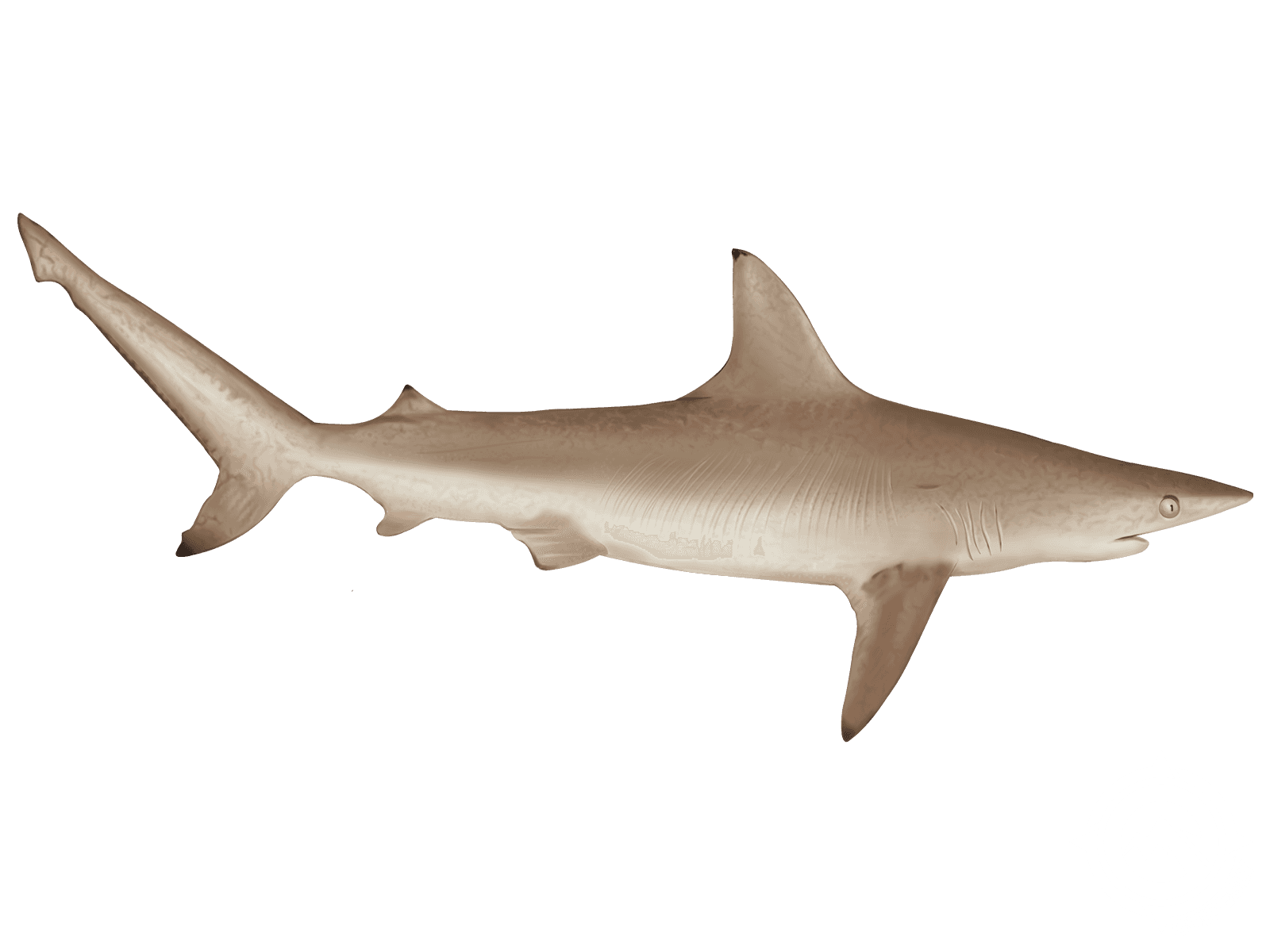
Sandbar Sharks represent the heavyweight division of Delaware Bay shark fishing, with mature fish reaching 6-8 feet and providing serious battles on appropriate tackle. They're year-round residents but most active during evening and nighttime hours. These sharks are known for their powerful, sustained runs and their ability to test an angler's endurance. The thrill factor is off the charts when you realize the size of what you've hooked – these fish command respect and deliver memories that last a lifetime.
Blacktip Sharks bring speed and aggression to Delaware Bay fishing, typically ranging from 3-5 feet with explosive power that surprises first-time shark anglers. They're most common during warmer months and are known for their willingness to feed in surprisingly shallow water. What makes them special is their combination of size, fight, and the dramatic black-tipped fins that give them their name. They often make multiple runs, changing direction suddenly and keeping constant pressure on your tackle.
Time to Book Your Spot
Kevin's weekend shark and stingray trips have become a customer favorite for good reason – they deliver consistent action during prime feeding hours with personalized instruction that helps you improve as an angler. With only 2 spots available, you're guaranteed individual attention and the flexibility to adjust tactics based on conditions and your experience level. This land-based approach eliminates boat costs while still putting you on fish, making it an accessible way to experience world-class shark fishing. The 6-hour format gives you enough time to really learn the techniques and potentially encounter multiple species. Whether you're looking to check shark fishing off your bucket list or add some weekend excitement to your angling routine, this trip delivers the goods when Delaware Bay's predators are most active.
Learn more about the animals
Blacktip Shark
Blacktips are the crowd pleasers - energetic, acrobatic sharks that average 5 feet but can surprise you with bigger specimens up to 9 feet. They're easily spotted by those distinctive black-tipped fins and love prowling around artificial reefs and muddy bays in 60-200 feet of water. Summer months bring the best action when they're actively feeding on sardines, herring, and mackerel. What makes them special is their explosive strikes and high jumps - they can launch 21 feet per second out of the water. Despite their excitement, they can be surprisingly timid, often circling before committing to bait. Use heavy braided line rated for 20-50 pounds with circle hooks. The secret is getting a good chum line going with ground mackerel or herring - their scent-driven feeding makes them suckers for oily, smelly bait. Live sardines work great too.
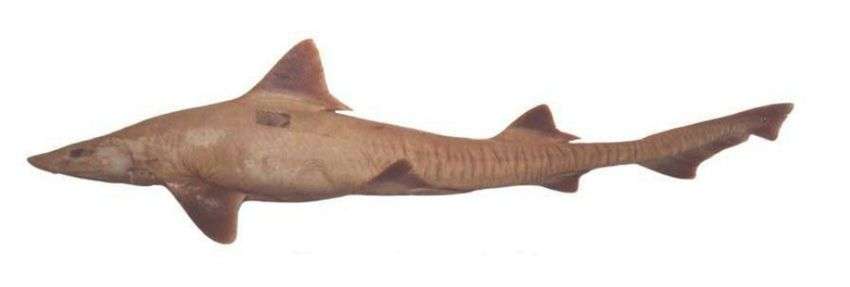
Dusky Smooth-Hound
These smaller sharks average around 4 feet and are perfect for anglers wanting a manageable fight without the intimidation factor. Dusky smooth-hounds hang out on sandy bottoms in shallow waters under 60 feet, making them accessible from shore. They're gentle sharks with flat, crushing teeth instead of razor-sharp ones - completely harmless to handle. Best action happens May through July during their mating season when they're most active. What guests love is their steady, determined fight and the fact they're great eating. Unlike other sharks, these guys hunt crabs, shrimp, and lobster primarily. My tip: use fresh squid strips or mackerel on the bottom with a 30lb mono leader and double sinkers to get down where they feed. They rely heavily on scent, so don't be afraid to let that bait sit and get smelly.
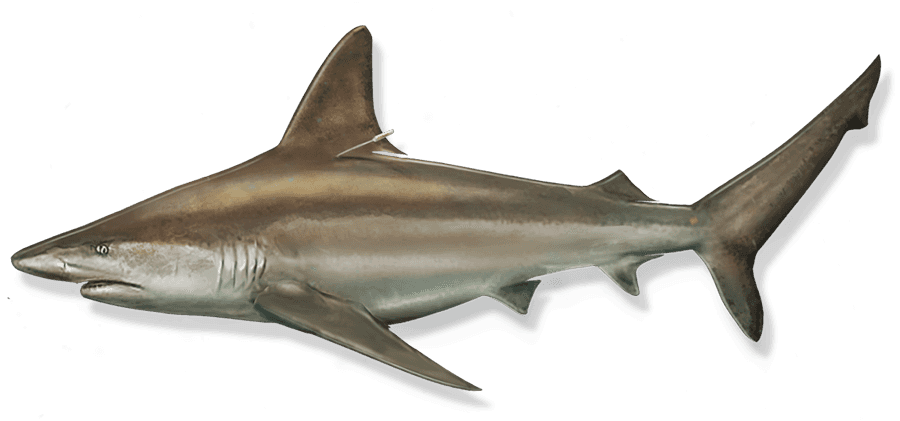
Sandbar Shark
Sandbar sharks are the heavyweights of our coastal waters, with females reaching over 8 feet and putting up some serious fights. They're built thick and powerful, preferring deeper water around 60-200 feet near continental shelves, though they'll cruise into shallower bays. These sharks are most active during summer months when they follow the food chain into our area. What guests love is the pure strength - once hooked, they'll make long runs and test your drag system. They're also one of the safer sharks to handle with their more docile nature. Sandbars hunt everything from skates and eels to crabs and squid. My go-to setup is heavy tackle with at least 65-lb line and a proper shark rig with 9/0 hooks. Fresh, oily bait like bluegill works best since they hunt primarily by scent. Be ready for a serious tug-of-war when they grab your bait and head for deep water.
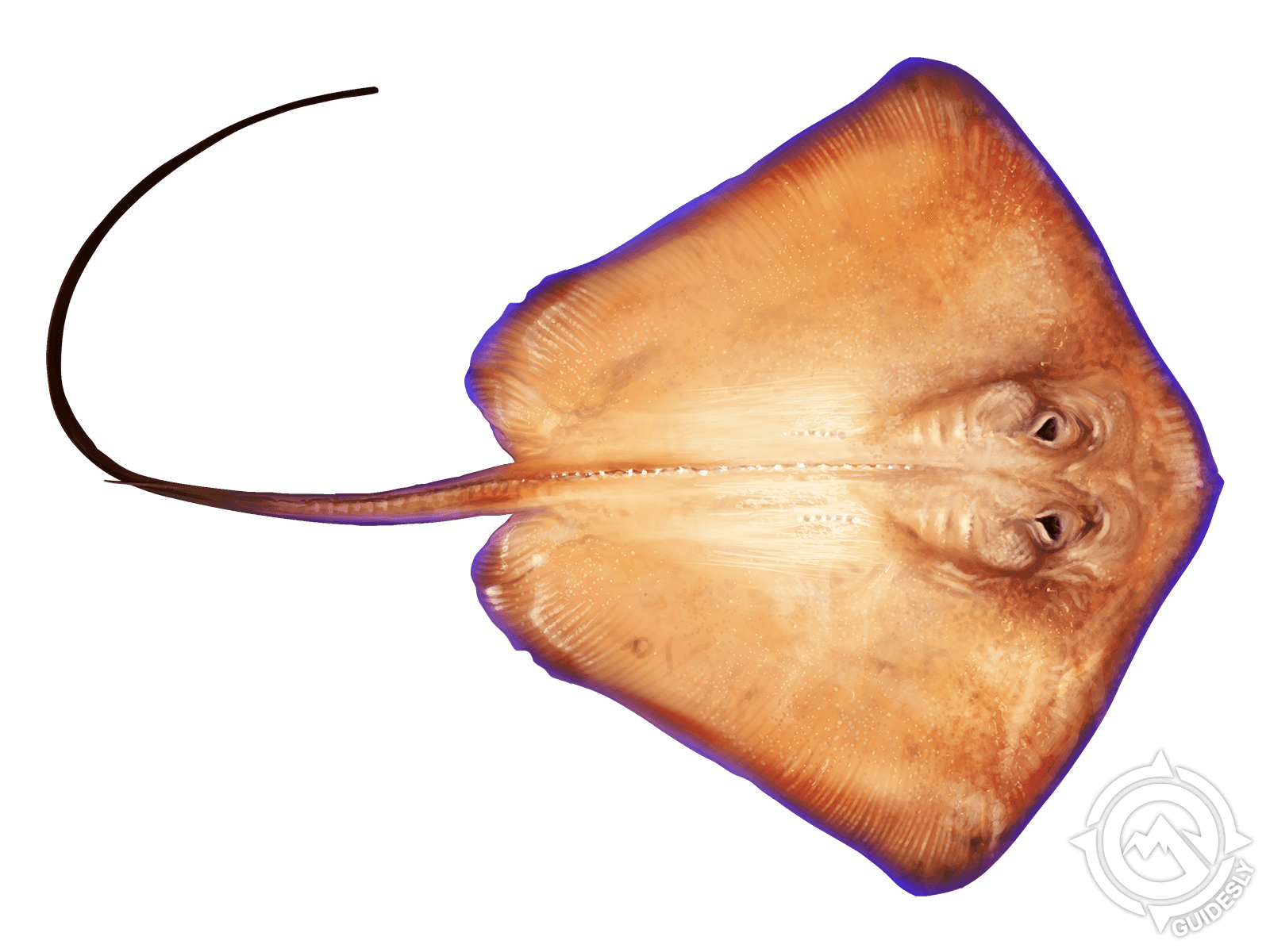
Southern Stingray
Southern stingrays are the perfect mix of challenge and accessibility for shore anglers. Females can reach nearly 6 feet across and weigh up to 50 pounds, while males stay smaller around 26 inches. They love hanging out in sandy and muddy flats, especially around Delaware Bay's seagrass beds where they hunt crabs and small fish. These rays bury themselves in sand during the day, then become more active at dusk - perfect timing for our evening trips. What makes them special is their incredible strength once hooked and their unique diamond shape breaking the surface. They're also surprisingly tolerant of careful handling. The key is patience - don't rush the fight. Use live pinfish or cut bait on the bottom, and when you hook up, take your time working them to shore. Never grab near that barbed tail!
Spinner Shark
Spinners are the acrobats of the shark world, famous for their high-speed feeding runs and spectacular leaps up to 46 mph. They average around 6 feet but can hit nearly 10 feet for the big girls. These sharks prefer waters under 100 feet deep and move into our area chasing baitfish schools during warmer months. What gets people hooked is watching them literally spin out of the water when they hit your bait - sometimes rotating three times before crashing back down. They're aggressive feeders that rely heavily on smell rather than sight. Bonito makes killer bait because of its high oil content, but live pilchards work great too. Here's the trick: use bright, big lures or flies since their eyesight isn't great, and don't be surprised when they come in hot and fast. Once hooked, they'll give you a serious fight with some impressive jumps.