%2Ffit-in%2F250x250%2Fguide_websites%2F1688%2Fimages%2F1774108062057img_5692.png&w=1920&q=100)
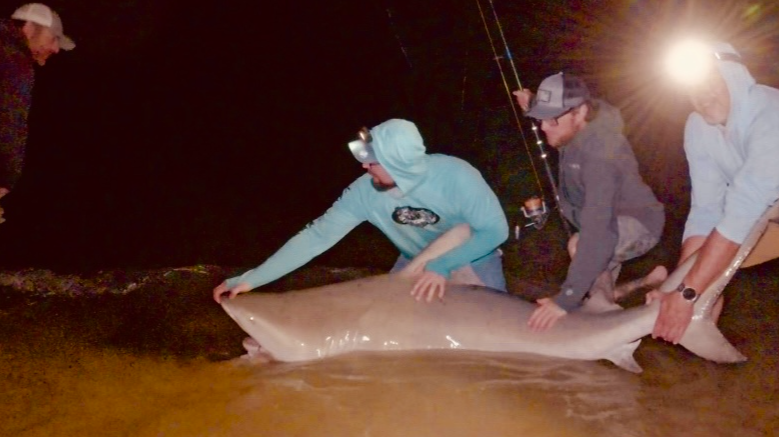
Sand Tiger Shark Caught in Cape May - Night Fishing
Night Shark Fishing in Cape May - What to Expect
5.0

4 Reviews
- 5
 100%
100% - 4
 0%
0% - 30%
- 20%
- 10%
%2F%2Fusers%2F9cc03732-20be-461b-9c45-3a6e6065874e%2Fimages%2Fsand-tiger-shark-cape-may-7417.png&w=1920&q=75)
Fishing Charter by Guide Kevin 'Catterman' in August
Meet your Guide Kevin 'Catterman'
- Extreme Shark Fishing with Guide Kevin in NJ!


Summary
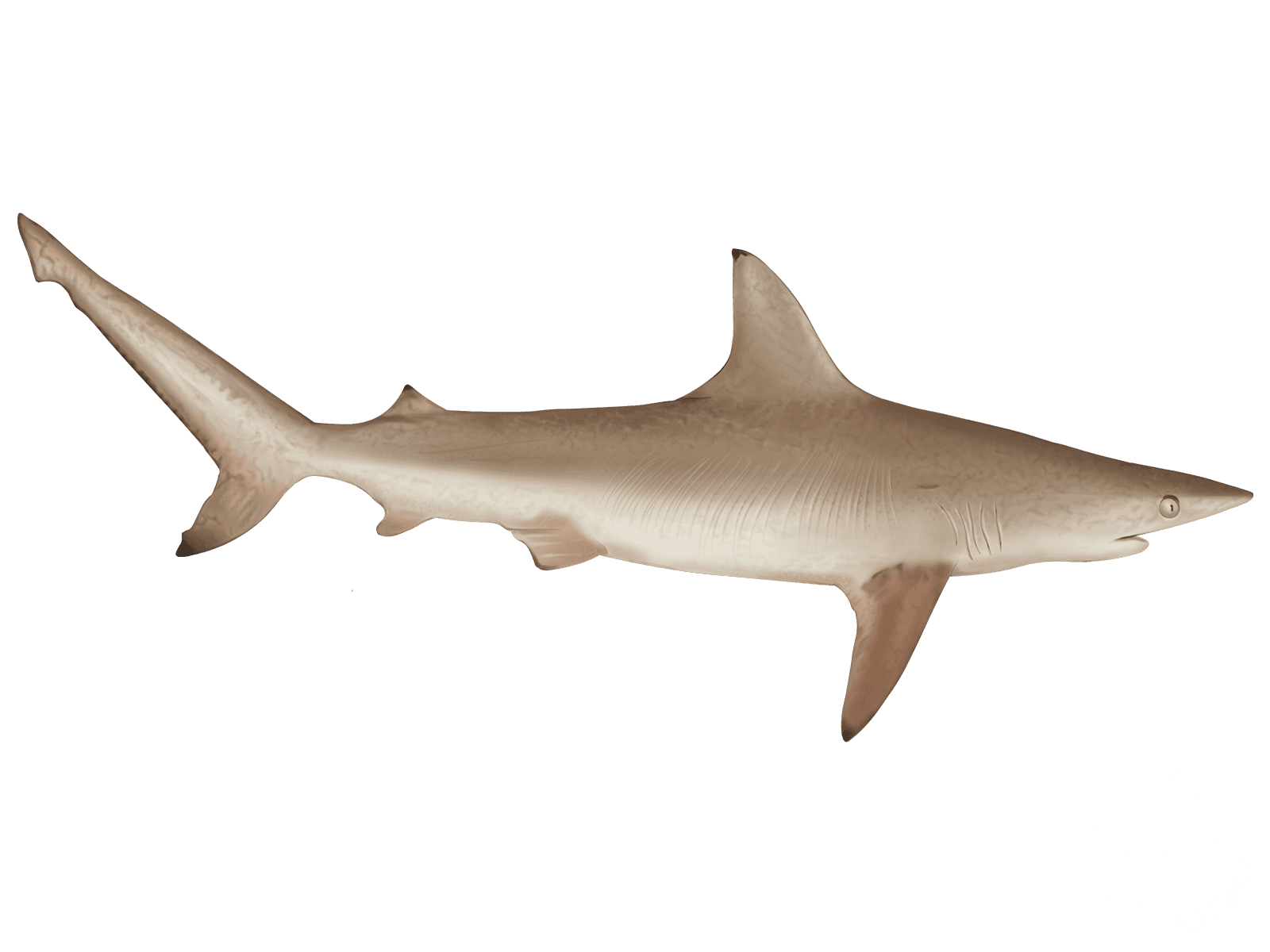
This fishing charter in Cape May, NJ showcases the intensity of night fishing for sand tiger sharks and stingrays. Guide Kevin delivers a specialized 6-hour experience on Saturday evening using heavy tackle and expert technique to pursue these apex predators during their peak feeding window. All gear, bait, and professional instruction are included for anglers of any skill level.
Fishing with Guide Kevin of The Catterman Adventures - Rates & Booking
Guide Kevin of The Catterman Adventures offers a specialized 6-hour shark and stingray fishing charter on Saturday evening from 7:00 PM to 1:00 AM. This guided shore fishing trip accommodates up to 2 anglers of any experience level and includes all heavy-duty tackle, fresh bait, and detailed instruction to maximize your success. Kevin provides everything needed to safely land and handle these powerful predators - you bring determination and a headlamp. Book your nighttime adventure now and experience the raw energy of Cape May's most exciting fishing window.
Highlights of the 6-Hour Prime Fishing Adventure in Cape May, NJ
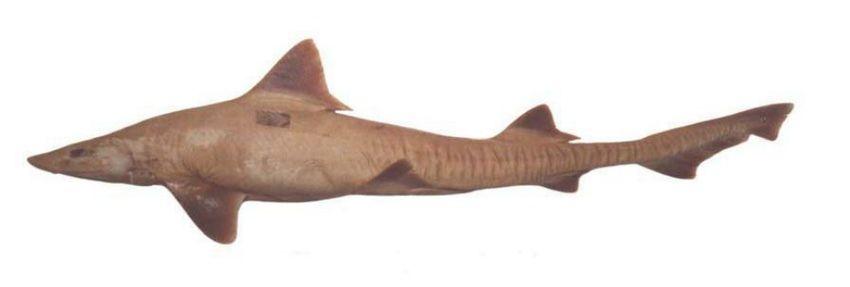
This nighttime fishing experience targets the exact moment when sand tiger sharks, smooth dogfish, and massive rays move into shallow water to hunt. You'll be casting heavy tackle into the prime feeding zone where Guide Kevin's local expertise gives you a genuine edge. The 6-hour session covers the most productive hours under the stars - when predators are most aggressive and bites are frequent.
Cape May's shallow waters and productive structure make this one of the region's premier shark fishing destinations. Working with professional-grade equipment and fresh bait, you'll be positioned exactly where serious feeding activity occurs. This isn't typical daytime fishing - the nighttime environment transforms Cape May into a dedicated hunting ground for anglers pursuing apex fish.
Local Species Insights: Sand Tiger Shark
Sand tiger sharks are among the most impressive predators you'll encounter off Cape May. These sharks typically reach 6 to 7 feet in length, though specimens exceeding 10 feet are landed here regularly. Despite their fearsome reputation, sand tigers are highly catchable using proper heavy tackle and fresh bait strategies - making them ideal targets for guided night fishing.
Sand tigers hunt aggressively during low-light conditions when baitfish move into shallow water. They're attracted to the scent of fresh-cut bait and respond reliably to heavy casting along the drop-off zone. Their powerful runs and sustained fights provide the kind of adrenaline rush that defines serious big-game fishing. Cape May's geography naturally concentrates these sharks in accessible shallow water during their feeding periods.
What makes sand tiger fishing unique is the combination of predictability and intensity. Unlike some species that are difficult to locate, sand tigers follow established feeding patterns - especially during the nighttime hours when Guide Kevin runs these trips. Their presence in Cape May's waters year-round means consistent opportunity, and their strength ensures every hookup is memorable. The sheer power of a sand tiger on heavy tackle creates moments that stick with anglers for years.
Guide Kevin's knowledge of local sand tiger behavior gives you a significant advantage. He understands the specific water conditions, tidal windows, and bait presentations that trigger aggressive strikes. This expertise translates directly into more bites and more successful hookups during your 6-hour window.
Plan Your Night Fishing Day
Arrive at the designated Cape May beach location by 6:50 PM and be ready to cast at 7:00 PM when the prime bite window begins. Guide Kevin provides all fishing tackle rated for shark hunting, heavy bait rigs, and fresh-caught baitfish. You're responsible for bringing appropriate clothing layers (nights can cool down), a reliable headlamp with extra batteries, and any personal snacks or beverages. The 6-hour session is relentless - you'll be actively fishing for the entire duration, so physical stamina matters.
Group size is limited to 2 anglers maximum, ensuring personalized attention from Guide Kevin and plenty of space to work heavy tackle safely. This small group size also means Kevin can focus on coaching you through the entire process - from bait presentation to fighting and landing techniques. Whether you're a seasoned saltwater angler or new to shark fishing, Kevin adapts his instruction to your experience level and helps you achieve success on the water.
Fishing in Cape May, NJ: Sand Tiger Shark
Sand Tiger Shark Overview
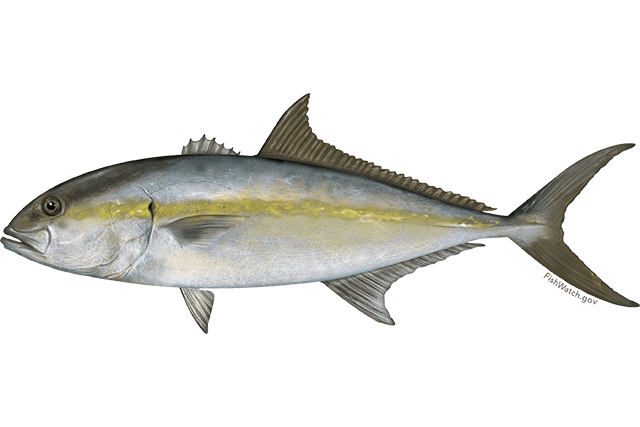
The Sand Tiger Shark (Carcharias Taurus), belonging to the order Lamniformes and family Odontaspididae, is one of the ocean's most recognizable yet misunderstood predators. With its signature needle-like teeth, imposing body structure, and menacing appearance, this shark has earned a fearsome reputation that belies its genuinely docile nature. What makes this species particularly fascinating is its ability to thrive in captivity, making it a staple in aquariums and museums worldwide. The sand tiger shark is instantly identifiable by its brownish-gray coloration accented with brown-red spots on its dorsal side and a contrasting white belly. Its flat, cone-shaped snout and distinctively long oblate tail—where the upper lobe extends considerably farther than the lower—make visual identification straightforward for anyone fortunate enough to encounter one. Often called the spotted ragged-tooth shark or gray nurse shark, this remarkable creature has earned its place as an excellent game fish for dedicated anglers, particularly along the Atlantic coast where populations remain robust during warmer months.
Sand Tiger Shark Habitat and Distribution
Sand tiger sharks are found throughout the world's temperate and tropical waters, with the notable exception of the Eastern Pacific Ocean. These migratory species prefer warm temperate waters and are commonly encountered in sandy coastal areas, shallow bays, estuaries, and coral reef systems. They typically inhabit depths ranging from 6 to 626 feet (1.8 to 191 meters), making them accessible to both recreational anglers and commercial operations. The species demonstrates fascinating migratory behavior, traveling toward the poles during warmer months and returning to equatorial regions as temperatures cool. In the United States, they range throughout the western Atlantic Ocean from the Gulf of Maine all the way down to Argentina, with particularly strong populations in Cape Cod and Delaware Bay during summer months. North Carolina offers year-round opportunities to observe this shark, with peak numbers occurring between May and October, making it an ideal destination for enthusiasts seeking consistent encounters. New Jersey has also become renowned for sand tiger shark angling, with summer surf fishing expeditions regularly producing excellent catches alongside sandbar sharks.
Sand Tiger Shark Size and Weight
Sand tiger sharks display sexual dimorphism in size, with males typically ranging from 7 to 8.5 feet in length and weighing approximately 200 pounds. Females tend to grow larger, reaching sizes of 7 to 9.8 feet. Juvenile specimens of 4 feet or less are commonly encountered, while adults rarely measure below 6.5 feet. The largest recorded specimen reached an impressive 10.5 feet and weighed 350 pounds, representing the upper boundary of this species' size potential. These measurements place the sand tiger shark in the medium-to-large shark category, making encounters with adult specimens a thrilling experience for anglers equipped with appropriate tackle and patience.
Sand Tiger Shark Diet and Behavior
The sand tiger shark is a carnivorous bottom-dweller with a diverse diet consisting primarily of bony fish, flatfish, crustaceans, squids, rays, and smaller sharks. Its impressive array of sharp teeth functions as highly specialized barbs designed to impale slippery prey, preventing escape and facilitating successful predation. Most hunting occurs during nighttime hours, when this species becomes more active in pursuit of food. One of the most extraordinary behavioral adaptations of the sand tiger shark is its unique ability to gulp air, allowing it to achieve neutral buoyancy and float motionless along the seafloor while hunting. This remarkable trait enables the shark to conserve energy while using electroreceptors in its snout to detect potential prey. Largely solitary creatures, sand tiger sharks occasionally aggregate in groups for reasons scientists continue investigating. During mating season, males can be identified by the bite marks they leave on females while clinging to them during reproduction. Perhaps most notably, females practice intrauterine cannibalism—each of their two uteruses contains approximately 50 eggs initially, but only two pups survive birth (one per uterus) after the first-born pups consume their siblings in utero.
Sand Tiger Shark Spawning and Seasonal Activity
Sand tiger sharks are highly migratory, with seasonal movements dictating their presence in specific regions throughout the year. During warmer months, populations shift toward the poles seeking cooler waters and abundant prey, while cooler seasons send them back toward equatorial regions. This migration pattern makes certain areas predictably productive during specific windows. In North Carolina, for example, peak season runs from May through October, allowing anglers to plan expeditions accordingly. The species reproduces through ovoviviparity, with intrauterine cannibalism dramatically reducing survival rates from potentially 100 eggs per female to just 2 pups at birth. Mating typically occurs during specific seasonal windows, after which females can be identified by distinctive bite marks from males. Understanding these seasonal patterns is crucial for anglers seeking consistent encounters and successful fishing experiences.
Sand Tiger Shark Techniques for Observation and Capture
Bait Fishing from Shore or Kayak: The most effective method involves using large, fresh baits such as rays, bonitos, dogfish, or barracuda. Veteran anglers emphasize that fresher bait is superior, and the more pungent your offering—rich with blood, oil, and guts—the better your chances of attracting a strike. A medium to heavy action surf rod measuring 10 to 12 feet, paired with a 50-pound braided line and high-capacity reel, provides the ideal balance of power and control. When fishing from shore, tying your bait to a rock prevents drift and helps it sink to the bottom where these bottom-dwelling hunters actively feed. For extended reach and deeper water access, many anglers employ kayaks, using anchors to minimize rocking while waiting for a catch. Around Delaware Bay and Cape Cod, kayak presentations during daylight hours often outperform shore-based efforts, particularly when deploying bait in 15 to 30 feet of water.
Daylight vs. Nighttime Tactics: While sand tiger sharks hunt primarily at night, daytime fishing often produces more consistent results for recreational anglers. Gear yourself with a headlamp for potential all-nighters and bring backup smaller fish to use as secondary bait if needed. Patience is essential—catches can occur within 15 minutes or require hours of waiting extending into early morning. The species' bottom-dwelling nature means your presentation strategy should focus on keeping bait near the seafloor throughout your fishing window.
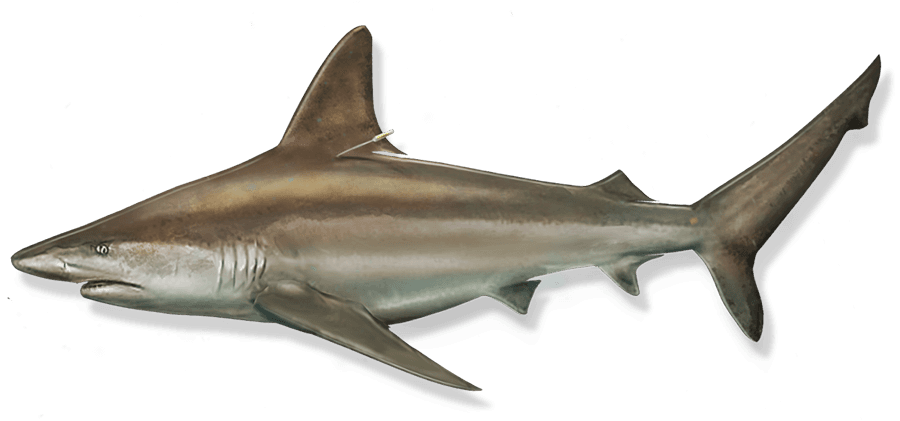
Location-Specific Approach: In North Carolina, concentrating efforts from May through October provides the highest success rates, with estuaries and nearshore waters being particularly productive. New Jersey's summer surf fishing yields excellent results when targeting areas known to hold sandbar and sand tiger shark populations. Coral reef systems and structured habitats attract more fish, so prioritize locations with underwater features rather than featureless sandy bottoms.
Sand Tiger Shark Culinary and Utilization Notes
Sand tiger sharks are classified as poor eating fish with minimal culinary value. The meat is generally considered unsuitable for consumption and lacks desirable flavor characteristics compared to other shark species. Most anglers practice catch-and-release protocols when encountering these remarkable creatures, particularly given their relatively slow reproduction rates and vulnerability to overfishing. Some regions have implemented protective measures for sand tiger shark populations due to conservation concerns related to their reproductive strategy and migratory patterns. If captured, handling with respect and careful release techniques are strongly recommended to ensure the shark's survival and contribute to ongoing population sustainability.
Sand Tiger Shark Frequently Asked Questions
Q: What is the best bait for catching Sand Tiger Sharks?
A: Large, fresh baits work best—rays, bonitos, dogfish, and barracuda are all excellent choices. The fresher and more pungent your bait (rich with blood, oil, and guts), the better your chances of attracting strikes. Many successful anglers use smaller fish as secondary bait once positioned on the bottom.
Q: Where can I find Sand Tiger Sharks near Cape Cod or Delaware Bay?
A: These locations are prime sand tiger shark territory during summer months. In North Carolina, peak season runs from May through October, with year-round availability. Estuaries, shallow bays, and sandy coastal waters within 30 feet of depth are most productive. Using a kayak to place bait farther from shore significantly increases encounter rates.
Q: What equipment do I need to fish for Sand Tiger Sharks?
A: Use a medium to heavy action surf rod measuring 10 to 12 feet, paired with a high-capacity reel and 50-pound braided line. A 4/0 reel suffices for closer-range shore fishing, while larger reels (for kayak deployment) improve your distance and presentation capabilities. Include a headlamp, anchor (if using a kayak), and heavy rocks for securing bait.
Q: When is the best time to observe or catch Sand Tiger Sharks?
A: Daytime fishing often produces more consistent results than nighttime efforts, though the species hunts primarily at night. Peak season varies by location—North Carolina sees highest numbers May through October, while summer months are ideal along the Atlantic coast generally. Be prepared for extended waits, as successful catches can take anywhere from 15 minutes to several hours or longer.
Q: Are Sand Tiger Sharks aggressive toward humans?
A: Despite their intimidating appearance and needle-like teeth, sand tiger sharks are remarkably docile and pose minimal threat to humans. Their widespread success in aquarium environments demonstrates their gentle nature. Anglers regularly handle these sharks without incident, though appropriate caution and respect for the species remains essential.
Q: Is there anything unique about Sand Tiger Shark reproduction?
A: Yes—this species practices intrauterine cannibalism, an extraordinary reproductive strategy where initial pups consume their siblings in utero. Each female has two uteruses, each beginning with approximately 50 eggs, but only two pups are ultimately born (one per uterus). This unusual reproductive method significantly limits population growth and makes the species somewhat vulnerable to overfishing pressures.