%2Ffit-in%2F250x250%2Fguide_websites%2F1688%2Fimages%2F1774108062057img_5692.png&w=1920&q=100)
/users/9cc03732-20be-461b-9c45-3a6e6065874e/ratecard/img_5171-mu3fzmbb.jpg)
%2F300x300%2Fusers%2F9cc03732-20be-461b-9c45-3a6e6065874e%2Fratecard%2Fimg_5171-mu3fzmbb.jpg&w=256&q=75)
%2F300x300%2Fusers%2F9cc03732-20be-461b-9c45-3a6e6065874e%2Fimages%2Fwhite-marine-animal-cape-may-4461.png&w=256&q=75)
%2F300x300%2Fusers%2F9cc03732-20be-461b-9c45-3a6e6065874e%2Fimages%2Fsunset-beach-fishing-cape-may-2948.png&w=256&q=75)
%2F300x300%2Fusers%2F9cc03732-20be-461b-9c45-3a6e6065874e%2Fimages%2Fsand-tiger-shark-cape-may-7417.png&w=256&q=75)
%2F300x300%2Fusers%2F9cc03732-20be-461b-9c45-3a6e6065874e%2Fimages%2Fnight-shark-fishing-cape-may-3805.png&w=256&q=75)
%2F300x300%2Fusers%2F9cc03732-20be-461b-9c45-3a6e6065874e%2Fimages%2Fnight-shark-fishing-cape-may-3185.png&w=256&q=75)
%2F300x300%2Fusers%2F9cc03732-20be-461b-9c45-3a6e6065874e%2Fimages%2Fnight-shark-fishing-cape-may-3008.png&w=256&q=75)
%2F300x300%2Fusers%2F9cc03732-20be-461b-9c45-3a6e6065874e%2Fimages%2Fnight-shark-fishing-cape-may-2932.png&w=256&q=75)
%2F300x300%2Fusers%2F9cc03732-20be-461b-9c45-3a6e6065874e%2Fimages%2Fnight-shark-fishing-cape-may-2890.png&w=256&q=75)
%2F300x300%2Fusers%2F9cc03732-20be-461b-9c45-3a6e6065874e%2Fimages%2Fnight-shark-fishing-cape-may-11676.png&w=256&q=75)
%2F300x300%2Fusers%2F9cc03732-20be-461b-9c45-3a6e6065874e%2Fimages%2Fnight-fishing-catch-release-cape-10000.png&w=256&q=75)
Bank Based Fall MONSTER BLUES Trip
 Cape May, NJ
What you will be catching:
 Blue Catfish
 Channel Catfish
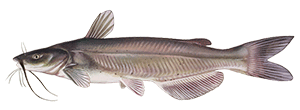 Flathead Catfish
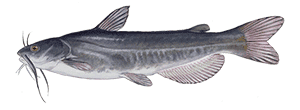
 White Catfish
- Target giant blue catfish exceeding 40 pounds from shore
- Complete equipment, tackle, bait, and seating provided
- Complimentary cleaning for fish under 10 pounds
Trip Pricing and Availabilities:
Bank Based Fall MONSTER BLUES Trip
Ready to tangle with some seriously hefty blue catfish? Guide Kevin "Catterman" knows where the big ones live on the Potomac River, and this shore-based adventure puts you right in their neighborhood. We're talking about fish that'll make your arms burn and your drag sing — blues pushing 40+ pounds aren't just possible here, they're part of what makes the Potomac one of the East Coast's top-rated catfish destinations. This isn't your typical pond fishing; it's big river catfishing at its finest, and you don't even need to step foot on a boat.
What to Expect on the Water
Fall is prime time for monster blues on the Potomac, and Kevin has dialed in the best bank spots where these giants cruise for their next meal. You'll be fishing from comfortable shoreline positions that give you direct access to deep water channels and current breaks where big catfish love to hunt. The beauty of this trip is the simplicity — we handle all the heavy lifting while you focus on what matters: putting fish on the bank. Kevin provides everything from heavy-duty rods and reels built for battling trophy cats to the fresh bait that drives these fish crazy. All you need to bring is your fishing license and maybe a camera for the hero shots. The Potomac's current and structure create perfect ambush points for blues, and Kevin's years of experience reading this water means you'll be fishing the spots that consistently produce the biggest fish.
Big Baits, Heavy Tackle
We're not messing around with light tackle here — these Potomac blues demand serious gear, and that's exactly what Kevin brings to every trip. You'll be fishing with heavy action rods paired with high-capacity reels loaded with strong line, because when a 30-pound blue decides to make a run, you want equipment that can handle the fight. The bait selection is key to success, and Kevin knows what triggers strikes from the biggest fish. We're talking cut bait, live offerings, and proven attractants that have pulled countless trophy cats from these waters. The technique is surprisingly straightforward: set your baits in the strike zone, keep your drag set right, and stay ready for action. The Potomac's tidal influence creates feeding windows throughout the day, and Kevin reads these patterns like a book. Bank fishing gives you the stability to really lean into these fish when they hit, plus the freedom to move between productive spots as conditions change.
Species You'll Want to Hook
Blue Catfish are the main event here, and for good reason — these fish are absolute tanks that fight like they're twice their size. Potomac blues commonly reach 20-40 pounds, with fish over 50 pounds swimming in these waters. Fall is their feeding season as they bulk up for winter, making them more aggressive and willing to hit big baits. What makes blues special is their combination of size and fight; they'll peel drag on long runs then turn stubborn near the bank, using their broad heads and powerful bodies to test every knot in your rig. The Potomac's blue cat population is world-class, and catching one of these monsters from shore is an experience that'll have you planning your next trip before you even leave.
Channel Catfish add consistent action to the mix, typically running 2-15 pounds with the occasional surprise pushing 20. They're more numerous than blues and often bite throughout the day, keeping your rods active between the bigger fish. Channels fight with classic catfish determination — strong initial runs followed by bulldogging battles near the boat. Fall channels are fat and healthy, making them excellent table fare if you choose to keep a few under 10 pounds. They respond well to the same baits we use for blues, so you never know if that bending rod means a channel or something much bigger.
White Catfish might be the smallest of the bunch, usually 1-5 pounds, but they're scrappy fighters that often save slow days. They're the most active biters in cooler weather and make great confidence builders for newer catfish anglers. Don't let their size fool you — a 3-pound white cat will give you a legitimate fight on the right tackle, and they're some of the best eating fish in the river.
Flathead Catfish are the wildcard species — less common than the others but capable of reaching massive sizes. Potomac flatheads can exceed 40 pounds, and they're pure muscle with an attitude to match. They prefer live bait and typically bite after dark, adding an element of surprise to every trip. Landing a big flathead from shore is a real achievement, as they use every snag and current seam to try breaking free.
Time to Book Your Spot
The Potomac's fall catfish bite is legendary among serious cat anglers, and Kevin's bank-based approach gives you the best shot at connecting with a true trophy. With trips limited to just 2 guests, you get personalized attention and prime fishing spots without the crowds. The complimentary fish cleaning for keepers under 10 pounds is a nice touch, and the catch-and-release policy for larger fish ensures these world-class fisheries stay healthy for future trips. Whether you're looking to set a personal best or just experience what big-river catfishing is all about, this Potomac adventure delivers the goods. Book your fall monster blues trip and see why anglers travel from across the region to fish with Catterman Adventures — the Potomac's heavyweight cats are waiting.
Learn more about the animals
Blue Catfish
Blue cats are what we're really after on the Potomac - these are the true giants that can exceed 40 pounds and provide battles you'll remember for years. They're opportunistic feeders that cruise the main river channels and deep holes, especially near tidal influences. Fall fishing is prime time when they're feeding heavy before winter. Blues have that distinctive squared-off anal fin and can live in both fresh and slightly brackish water. The bigger fish over 10 pounds get released to keep our trophy fishery strong, but smaller ones make excellent eating. What sets blues apart is their raw power - they'll test your gear and your arms. Pro tip: use fresh cut bait like herring or gizzard shad on the bottom. Let it sit still and wait for that deliberate pickup - then hang on tight.
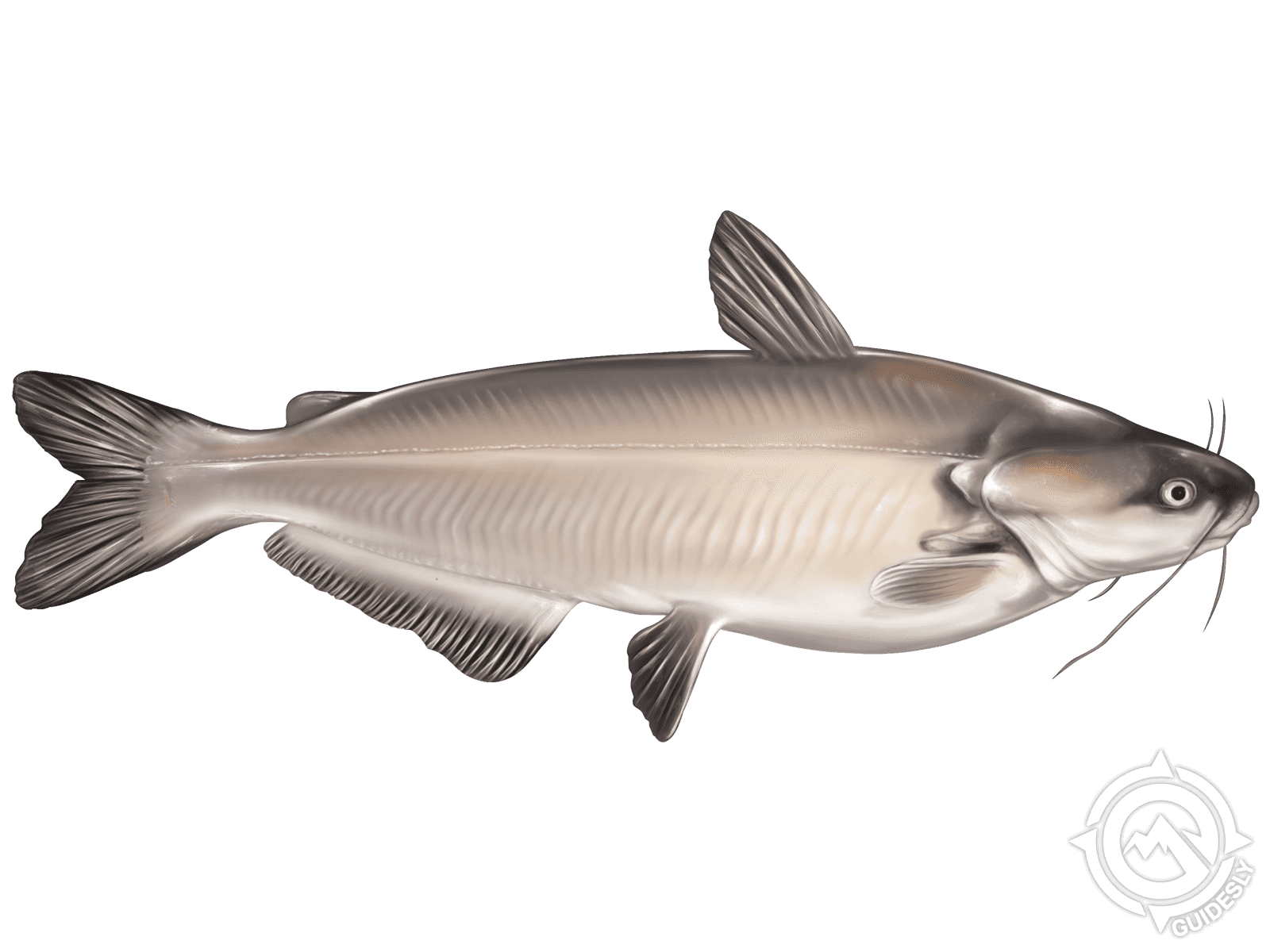
Channel Catfish
Channel cats are solid fighters that'll give you a good battle on medium tackle. Most run 2 to 8 pounds in the Potomac, but 15-20 pounders show up regularly to keep things interesting. They're the most adaptable of our catfish species, comfortable in both clear and muddy water. Look for them around structure - fallen trees, rock piles, and deeper holes where they like to hide during the day. They feed heavily in warm weather and can be caught year-round, though summer and fall produce the best action. Channels have great table fare and fight harder per pound than their bigger blue cousins. Here's a local trick: use stinkbait or cut herring on a 7-foot rod with strong backbone. Those hard mouths need sharp hooks and a solid hookset to stick.
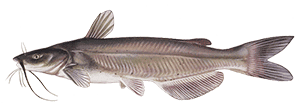
Flathead Catfish
Flatheads are the premium eating catfish - hands down the best table fare of any cat species. These olive-colored bruisers can push 50+ pounds and live up to 24 years in our waters. They're ambush predators that want live bait only - no stinkbait or cut bait for these picky eaters. Find them in deep pools and slow-moving sections with plenty of structure like fallen trees or undercut banks. Summer nights are prime time when they move shallow to hunt. Unlike other cats, flatheads have a squared-off tail and that distinctive flattened head. The fight is different too - more bulldogging than running. Use live bluegill or perch on heavy tackle in deep water. My secret: target the transition zones where fast water meets slow pools right at dusk.
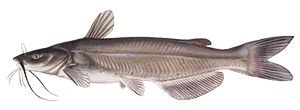
White Catfish
White catfish are the smallest of our local cats, typically running half a pound to 2 pounds, though we occasionally see 10-pounders that really surprise folks. They're considered rare catches here on the Potomac, which makes landing one pretty special. You'll find them in the slower, muddier sections where they root around the bottom for insects and small crustaceans. Unlike blues and channels, whites have distinctive white chin barbels and no forked tail. They're more active during daylight hours than most catfish, so morning trips can be productive. The meat quality is excellent - sweet and firm. My tip: use nightcrawlers or small pieces of chicken liver on a light rig in the backwater areas. Let your bait sit still on the bottom and watch for subtle bites.